Research papers in generative modeling, spatial omics, and computational biology.
My work develops machine-learning methods that respect biological structure, from support-preserving generative models for spatial transcriptomics to interpretable integration of spatial multi-omics data.
Figures advance automatically. Use the arrows or dots to explore each paper, and click a figure to inspect it.
01 Generative biology
BioFlow
BioFlow: A Biologically Valid Support-Preserving Flow for Histology-Conditioned Spatial Transcriptomics Prediction
Haoran Xu, Yang Liu, Wei Yuan, Xiao Han*
MICCAI 2026
A support-preserving flow-matching framework that predicts spatial gene expression from histology while keeping generated values biologically valid. BioFlow improves spatial correlation, training stability, and computational efficiency without relying on post-hoc correction.
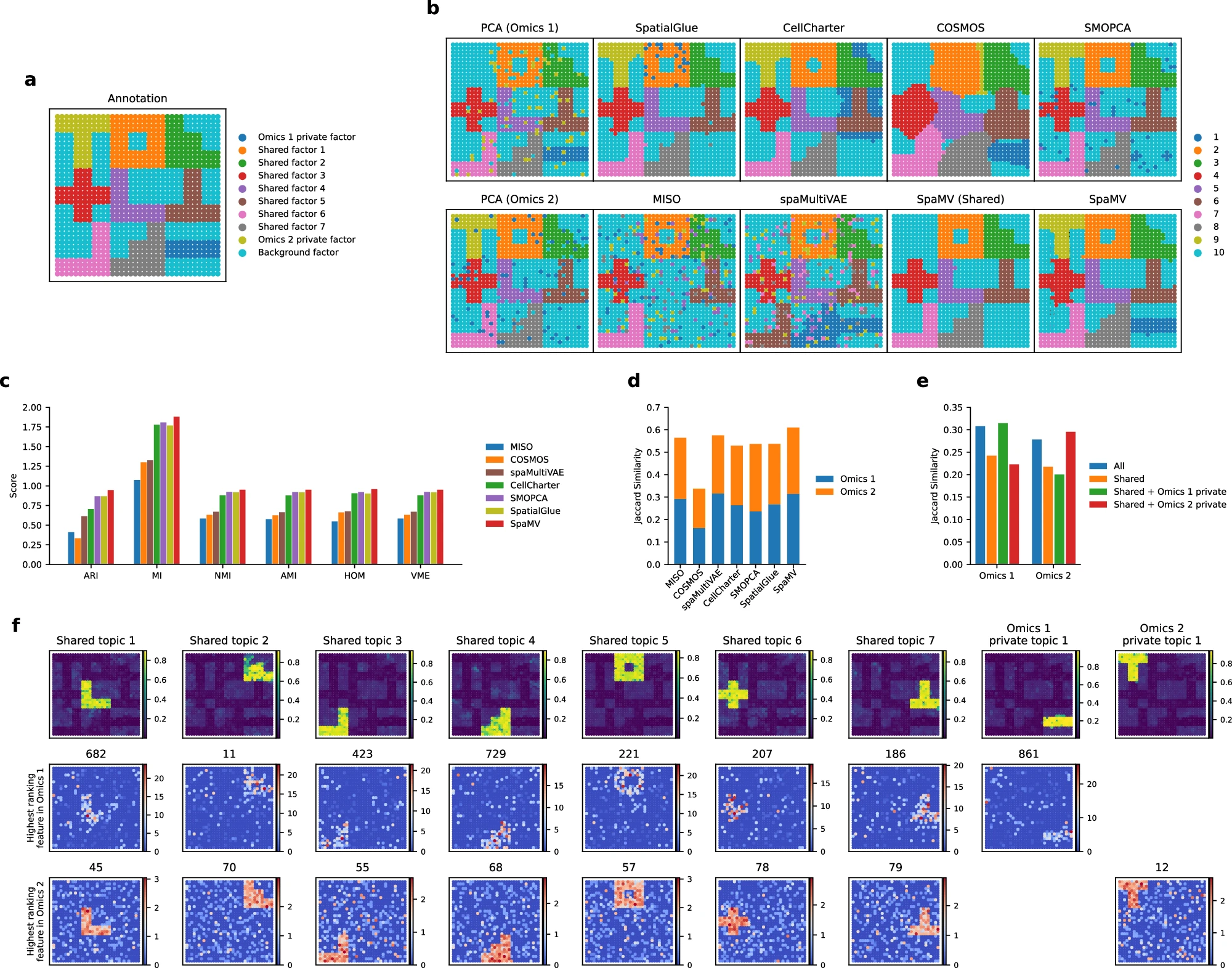
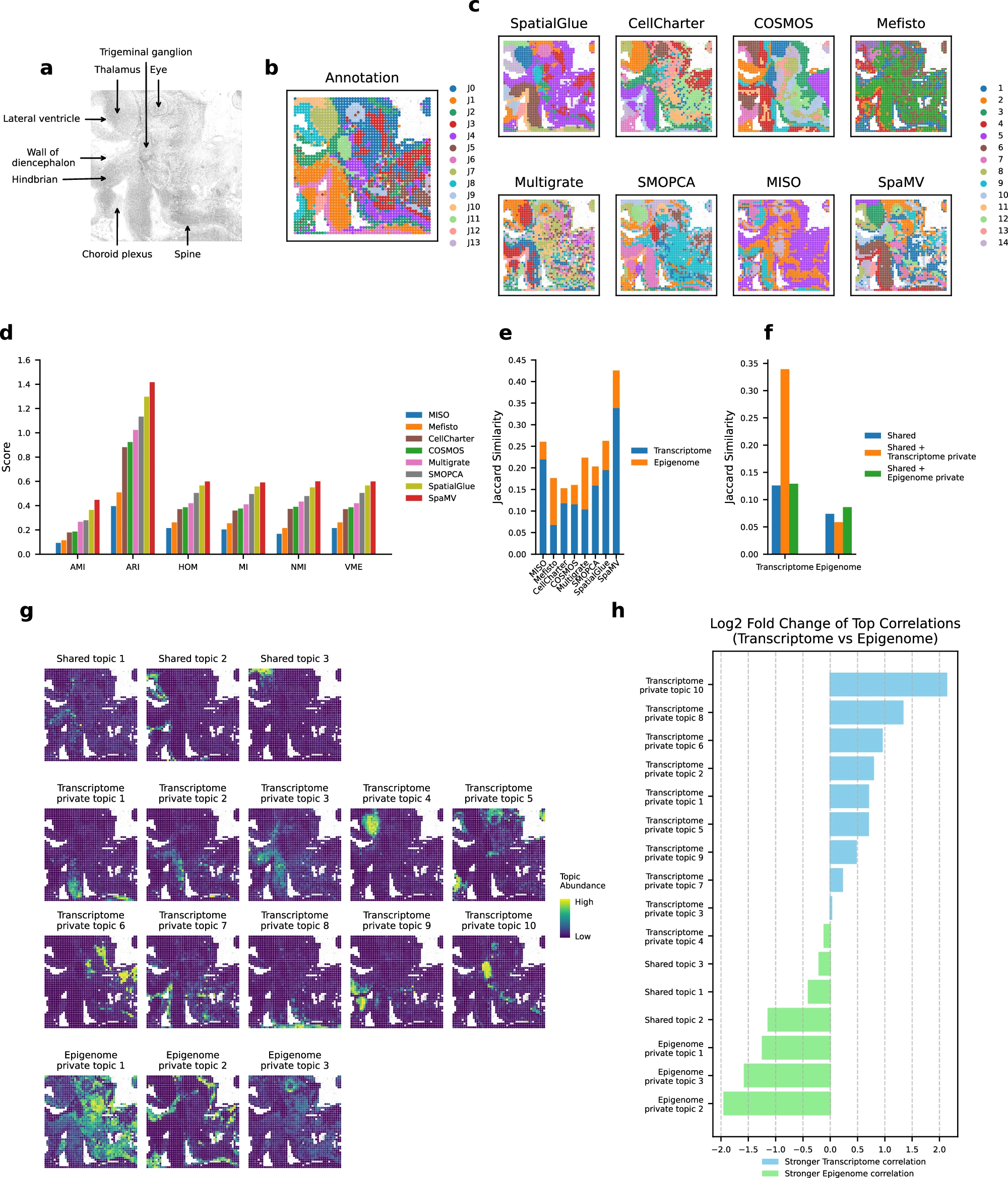
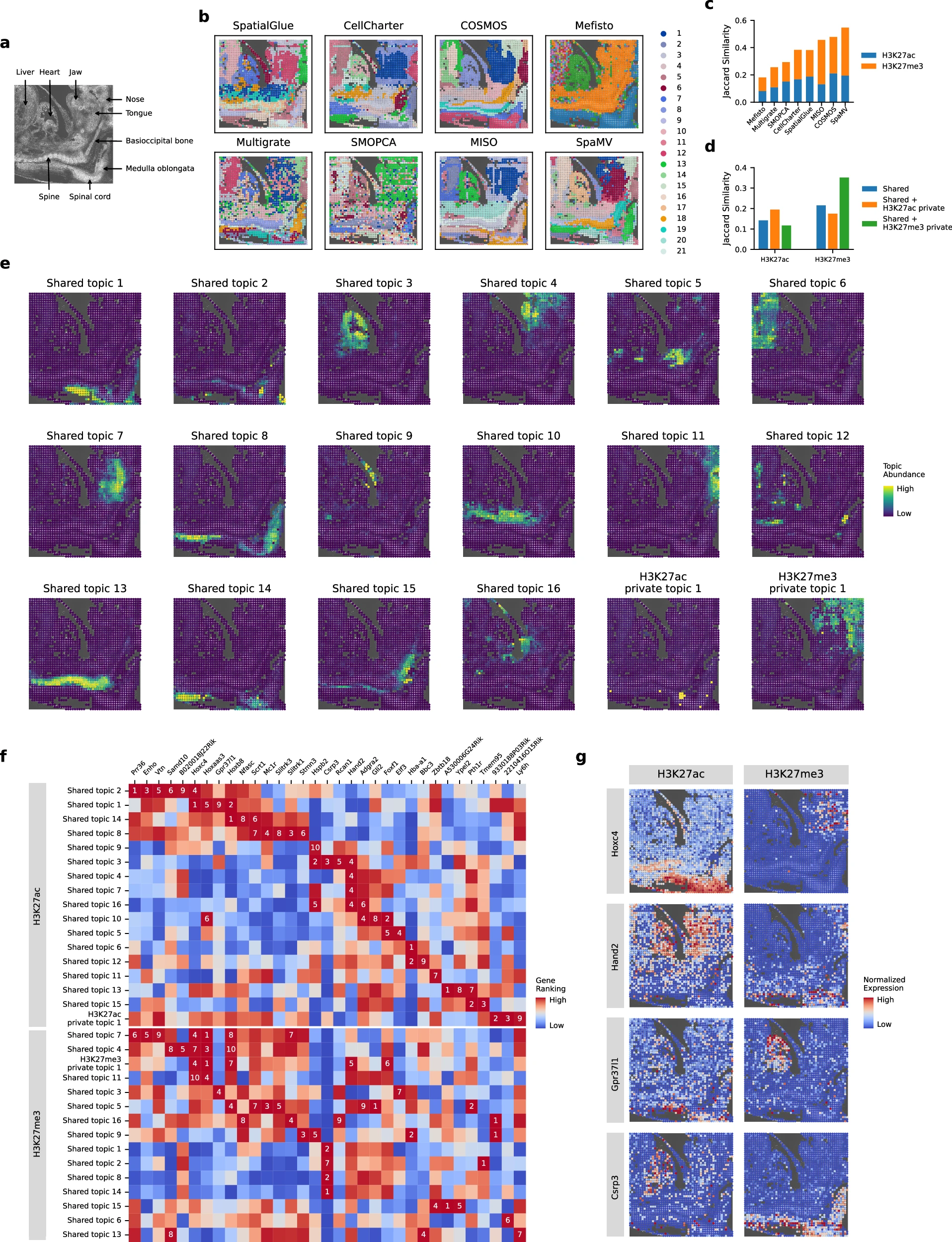
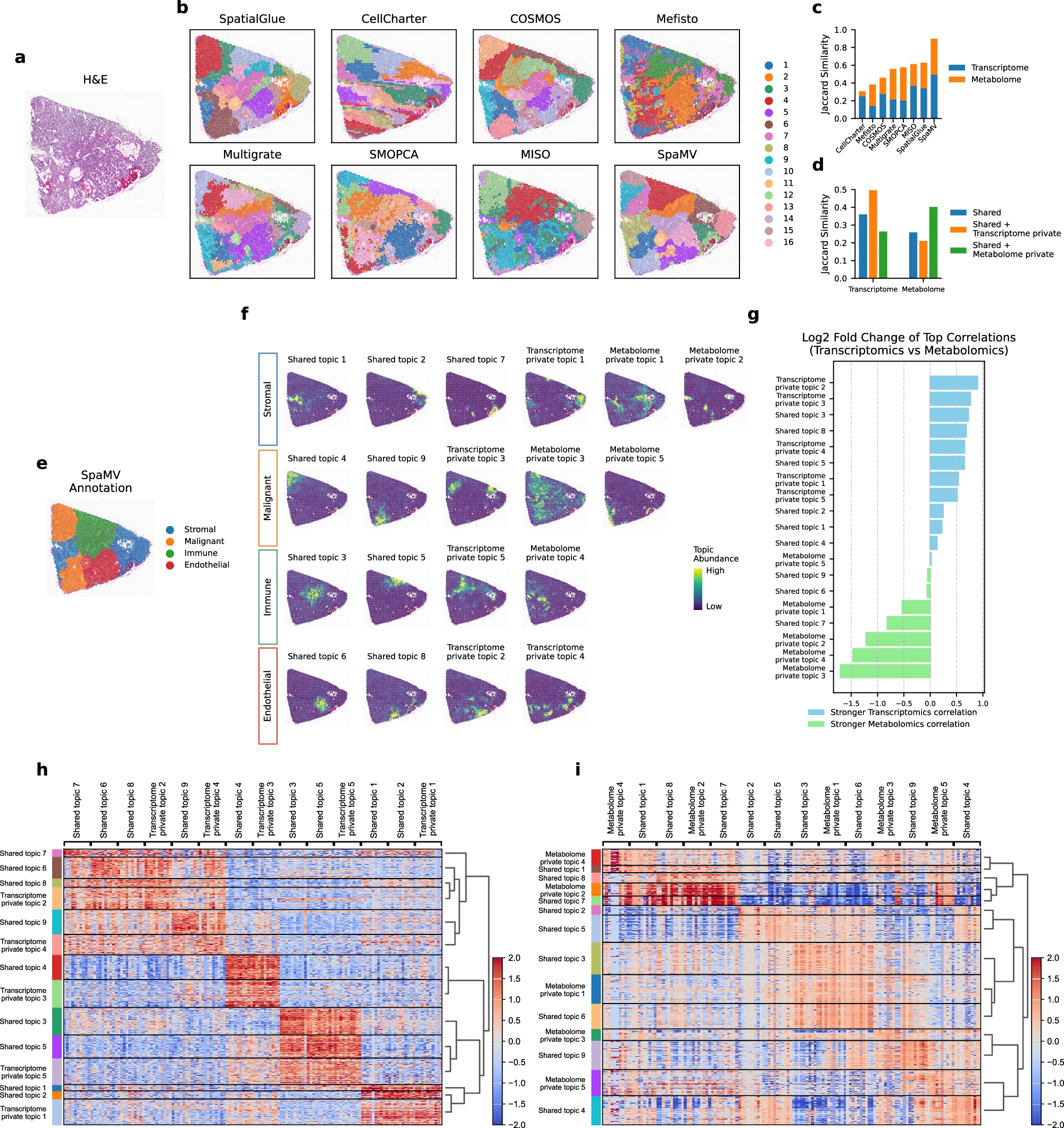
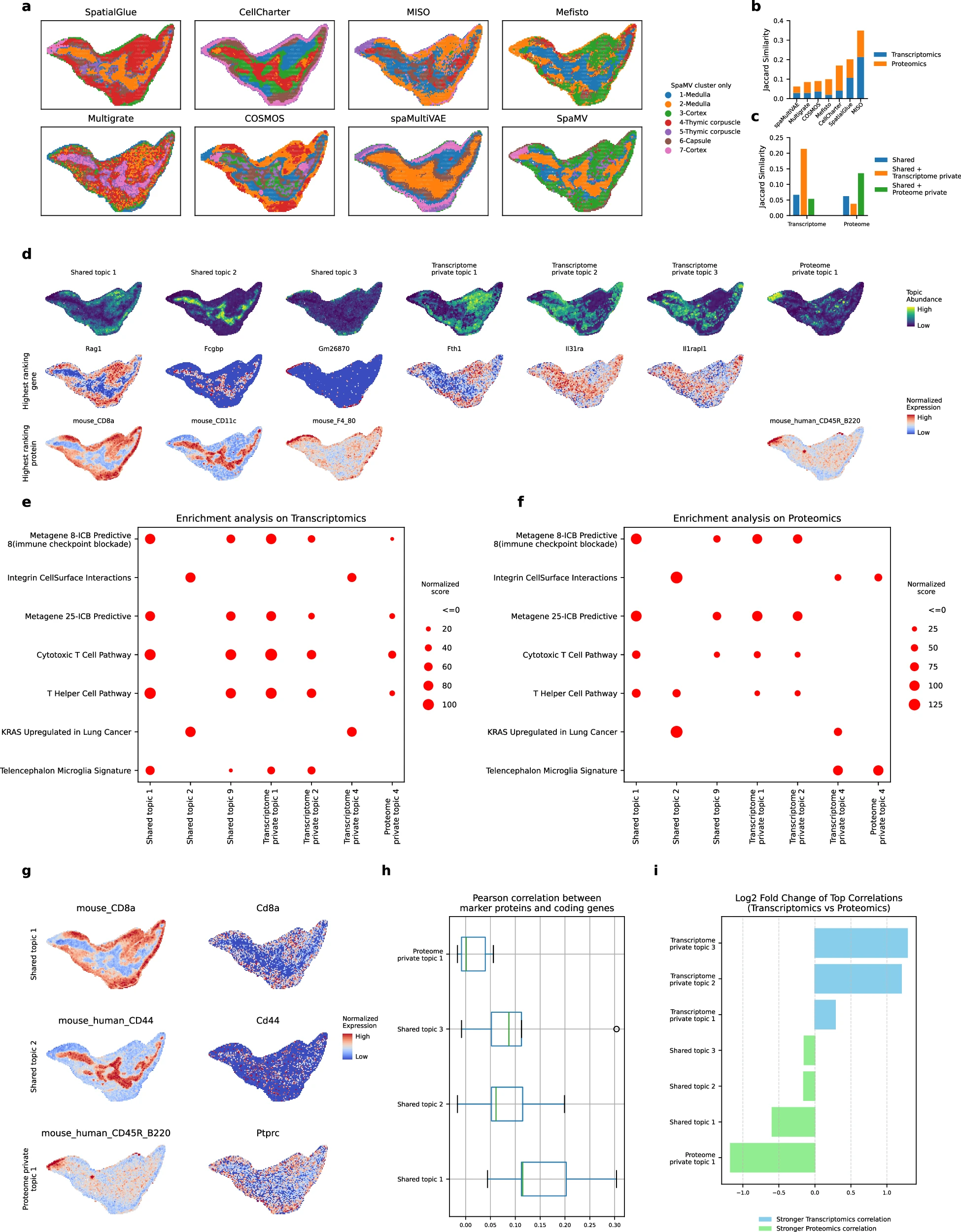
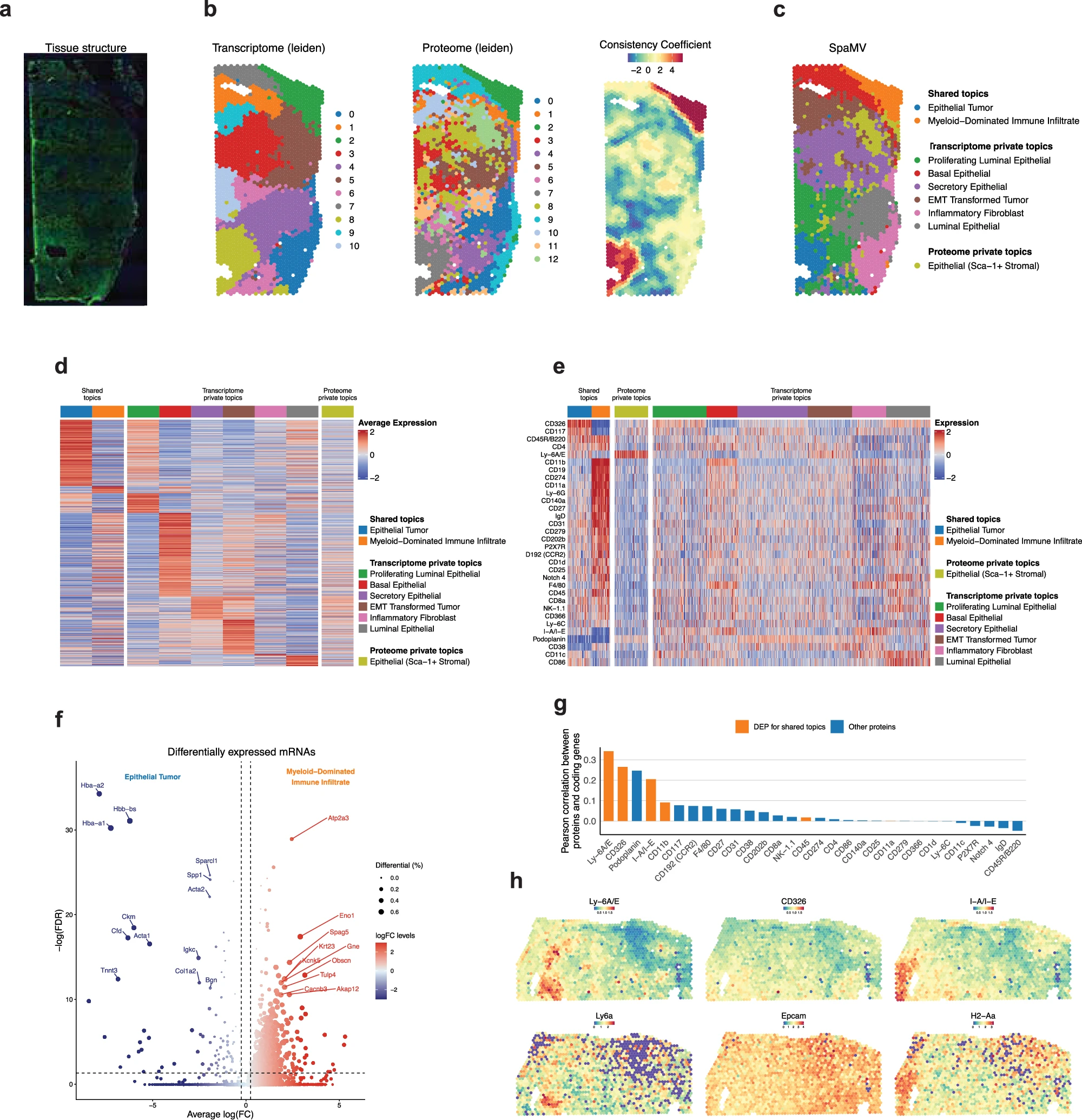
Interpretable Spatial Multi-Omics Data Integration and Dimensionality Reduction with SpaMV
Yang Liu, Kexin Ma, Haoran Xu, et al.
Nature Communications · 2026
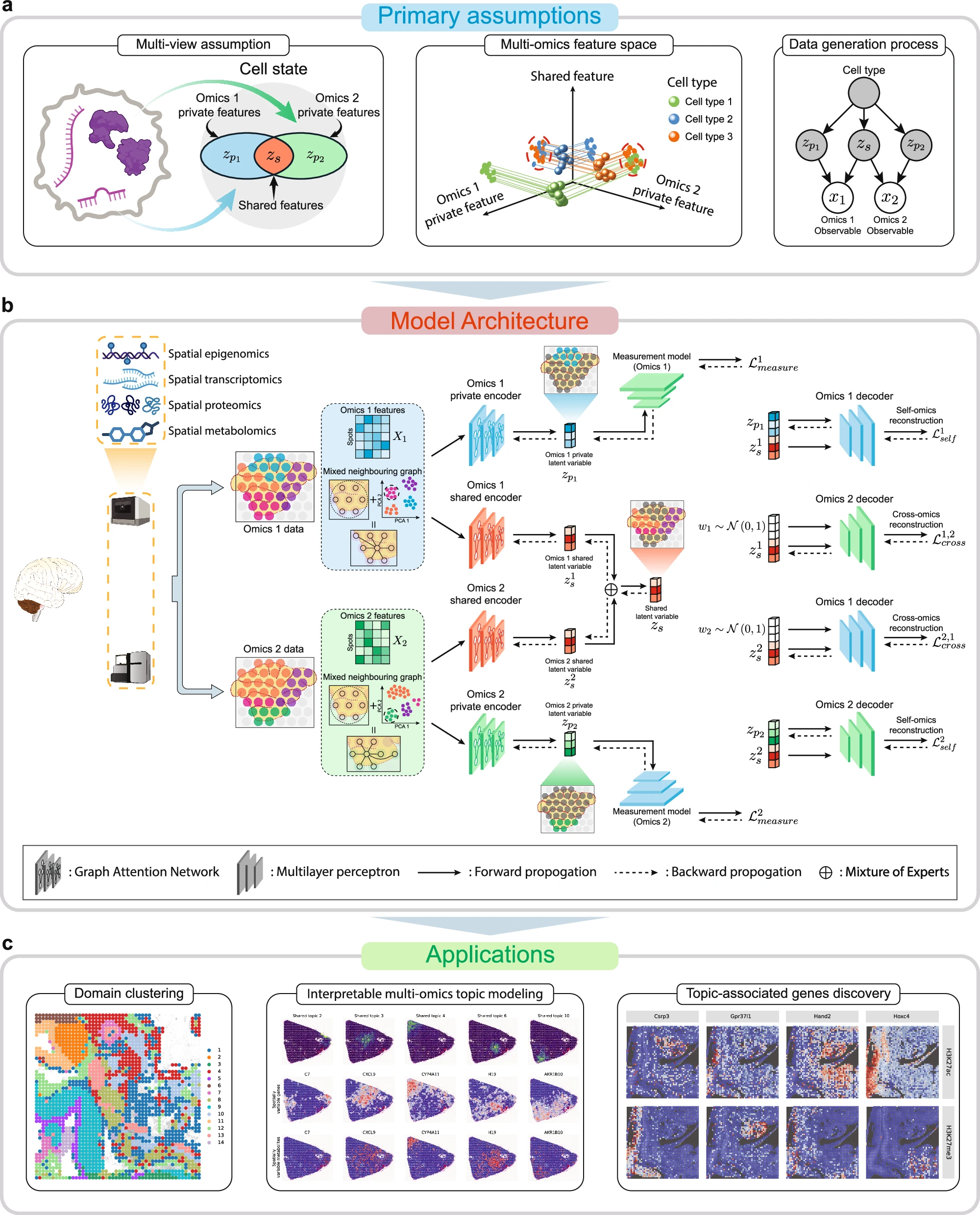
An interpretable multi-view framework that separates shared biological signals from modality-specific information. SpaMV supports spatial-domain discovery, multi-omics topic modeling, and biologically meaningful interpretation across diverse tissue datasets.
BioFlow is a support-preserving flow-matching framework for histology-conditioned spatial transcriptomics prediction. It preserves the non-negative support of gene-expression data while improving spatial correlation, training stability, and computational efficiency.
@inproceedings{xu2026bioflow,title={{BioFlow}: A Biologically Valid Support-Preserving Flow for Histology-Conditioned Spatial Transcriptomics Prediction},author={Xu, Haoran and Liu, Yang and Yuan, Wei and Han, Xiao},booktitle={International Conference on Medical Image Computing and Computer-Assisted Intervention},year={2026},}
Nat Commun
Interpretable spatial multi-omics data integration and dimensionality reduction with SpaMV
SpaMV integrates spatial multi-omics data by disentangling cross-omics shared information from omics-specific private information, enabling interpretable representation learning, spatial domain analysis, and topic discovery.
@article{liu2026spamv,title={Interpretable spatial multi-omics data integration and dimensionality reduction with {SpaMV}},author={Liu, Yang and Ma, Kexin and Xu, Haoran and Xu, Ke and Hu, Yunfei and Lin, Zhenhan and Lin, Jiangli and Han, Bo and Li, Shuaicheng and Lin, Zhixiang and Zhou, Xin Maizie and Zhang, Lu},journal={Nature Communications},volume={17},pages={8213},year={2026},doi={10.1038/s41467-026-74718-1},}